


Read More...
Abstract:
This workshop introduces the first digital ecosystem in forensic dentistry, integrating four modules that enable accurate dental identification, age estimation, dental analysis, and AI-assisted second opinion. The program emphasizes the application of validated forensic methods within a structured digital framework, designed to enhance precision, reproducibility, and consensus.
Through interactive lectures, practical sessions, and case-based demonstrations will illustrate how measurements, interpretation, and decision support elevate the standards of forensic odontology. By the end of the workshop, participants will be equipped with a scientific understanding of digital forensic principles and practical experience in applying modern analytical methods in dental identification and age estimation.
Introduction:
This workshop introduces the first digital ecosystem in forensic dentistry, integrating four modules that enable accurate dental identification, age estimation, dental analysis, and AI-assisted second opinion. The program emphasizes the application of validated forensic methods within a structured digital framework, designed to enhance precision, reproducibility, and consensus.
Through interactive lectures, practical sessions, and case-based demonstrations will illustrate how measurements, interpretation, and decision support elevate the standards of forensic odontology. By the end of the workshop, participants will be equipped with a scientific understanding of digital forensic principles and practical experience in applying modern analytical methods in dental identification and age estimation
Learning Objectives:
- Age Estimation: Develop the ability to perform forensic age assessments across all age groups, applying scoring and measurement systems using validated regression models.
- Dental Identification: Gain proficiency in conducting automated human identification through structured dental coding, comparative analysis, and logical matching methods.
- Dental Analysis: Master techniques to enhance and interpret dental radiographs, perform morphometric measurements, and conduct comparative analysis for scientific validation.
- Second Opinion AI: Apply artificial intelligence to evaluate tooth morphology and generate reproducible quantitative measurements to support examiner decision-making.
Who should attend:
- GP Dentist with special interest in the topic
- Specialist Dentist with special interest in the topic
- Dental Hygienists
- Dental Technicians
- Dental Assistants
- Dental Students
- Residents/Intern
Course Outline:
09:00 – 09:30
Lecture:Introduction to Digital Forensic Dentistry and Ecosystem Overview
. Overview of forensic odontology applications in age estimation and identification.
. Introduction to the digital forensic ecosystem and its four integrated modules.
09:30 – 10:00
Lecture: Module 1 – Age Estimation: Scientific Basis and Case Applications
. Principles of age estimation and radiographic interpretation
. Application of scoring and measurement system using validated regression models.
10:00 – 10:30
Lecture: Module 2 – Dental Identification: Structured Coding and Digital Matching
. Overview of digital AM-PM comparison and forensic logic matching.
.Coding systems and structured overflows for single-case and mass-disaster scenarios.
10:30 – 11:45
Hands – On: Dental Analysis and Radiographic Measurement Techniques
. Practical training in image enhancement, morphometric measurement, and annotation tools.
. Guided analysis of digital radiographs and comparative morphology.
11:45 – 13:00
Hands – On: Second Opinion AI – Morphometric Assessment and Validation
. Introduction to AI-assisted image interpretation for forensic applications.
. Using AI tools to validate examiner measurements and standardize reporting.
Demonstration and Workshop:
- Materials to be brought by participants:
- Laptop
About the Speaker:
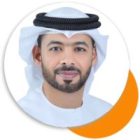
Dr. Salem Altalie is a Consultant Forensic Odontologist with over 18 years of experience in forensic laboratory practice. He is a Fellow of the Australasian College of Legal Medicine and the American Academy of Forensic Sciences, and he represents the UAE at the International Organization for Forensic Odonto-Stomatology. Dr. Altalie holds a U.S. patent, serves as an adjunct professor and an editorial board member, with over 20 scientific papers published in international peer-reviewed journals. He played a pivotal role in developing the first digital Dental ID platform specialized in human identification and age estimation. His outstanding contributions to forensic science were recognized with the Excellence Award – Executive Council Medal, presented by His Highness Sheikh Mohammed bin Zayed Al Nahyan in 2018.
Made Possible by:

Read More...
Abstract:
This interactive workshop offers a comprehensive, evidence-based approach to managing childhood caries—from early incipient lesions to severely decayed and abscessed primary teeth. It covers minimally invasive strategies such as SDF and ITR, as well as injectable SMART composites for moderate lesions. Advanced techniques include rotary pulpectomy and LSTR for complex non-vital cases. Real clinical scenarios illustrating both success and failure will guide decision-making. Hands-on training allows participants to refine techniques and improve confidence in treating diverse cases. Ideal for dental professionals seeking practical skills and modern strategies to manage early childhood caries, from tiny lesions to mega restorations.
Learning Objectives:
- Differentiate between early, moderate, and advanced carious lesions in primary teeth using clinical and radiographic criteria.
- Demonstrate minimally invasive techniques, including the application of SDF and placement of ITR, for managing initial-stage caries in pediatric patients.
- Apply injectable SMART composite systems in moderate lesions, ensuring conservative cavity preparation and restoration.
- Perform pulpectomy procedures using rotary endodontic systems and implement the LSTR technique in non-vital primary teeth with abscesses.
- Analyze clinical case outcomes-including successes and failures-to improve treatment planning and enhance decision-making in caries management.
Who should attend:
- GP Dentist with special interest in the topic
- Specialist Dentist with special interest in the topic
- Residents/Interns
Course Outline:
09:00 – 10:00 Lecture: Diagnosis, Caries Classification & Minimally Invasive Strategies
- Overview of early childhood caries (ECC), Diagnosis, radiographic interpretation, and behavior-based decision making
- Management of initial lesions using Silver Diamine Fluoride (SDF)
- Application of Interim Therapeutic Restorations (ITR)
10:00 – 11:00 Lecture: Managing Moderate Lesions with Bioactive Restorative Materials
- Introduction to SMART restorations: concepts, advantages, and clinical evidence
- Use of injectable bioactive composites for moderate cavitated lesions
11:00 – 12:00 Lecture: Advanced Caries Management in Non-Vital Primary Teeth
- Step-by-step protocol for rotary endodontic treatment in primary molars
- Introduction to Lesion Sterilization and Tissue Repair (LSTR) technique: principles, materials, and clinical application
- Use of intra-canal posts for reinforcing structurally compromised primary teeth
- Presentation of real clinical cases: success vs. failure analysis and practical takeaways
12:00 – 13:00 Hands-On: Training Session
- Station 1: Placement of injectable SMART composites
- Station 2: Rotary pulpectomy using pediatric rotary files
- Station 3: LSTR technique
About the Speaker:
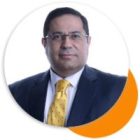
Dr. Ahmed Fawzy is a Consultant Pediatric Dentist with 24 years of experience in clinical practice, teaching, and international lecturing. He holds a BDS from Alexandria University, an MSc from Cairo University, and a PhD in Pediatric Dentistry from SCU, Egypt. He is a lecturer at the Pediatric Dentistry Department, ERU (Cairo), and the founder of Dental Land for Children. He is also a Dental Photography Educator and Instructor. Dr. Fawzy serves as Secretary General of the Egyptian Society of Pediatric Dentistry and Children with Special Needs (ESPSN). He has lectured at major congresses in the USA (AAPD), Turkey (IAPD), UAE (AEEDC), Mexico (AMOP), Morocco (ADIRC), Lebanon (BIDM), Bahrain (DLS), Jordan (JSPD), and Egypt (IDEX, ESPSN), and has conducted workshops across Egypt, Saudi Arabia, the UAE, and Morocco.
Dr. Maia Ayoub – Pediatric Dentist Lecturing and giving workshops on various pediatric dentistry Topics - Responsible of taking care of the oral health of approx. 200 special needs in Sesobel association - Performing dental treatments under general anesthesia in hospitals (average nb of operations: 140 per year) - Hands-on experience in dental treatment under Nitrous Gas (N2O2) - Attended many seminars about different topics in dentistry local and international per year - Member of the L.D.A. Lebanese Dental Association - Member of the Lebanese Society of Pediatric Dentist - Fluent in French, English and Arabic, written and spoken.
Made Possible by:
Read More...
Abstract:
This hands-on workshop explores the efficiency and precision of Rotary filesin modern endodontic instrumentation. Participants will experience the smooth flow of canal scouting and shaping using advanced design and controlled motion. Through guided demonstrations and practical application, clinicians will learn effective techniques to enhance safety, conserve dentin, and achieve predictable shaping results with confidence and simplicity.
Introduction:
Endodontic instrumentation has evolved toward greater precision, safety, and simplicity, supported by the development of advanced nickel-titanium file systems. Nowadays, The rotary instruments are designed to optimize canal shaping with smooth, controlled motion and minimal procedural risk. Its unique design and metallurgy provide excellent flexibility, efficient debris removal, and enhanced tactile feedback, allowing clinicians to preserve dentin integrity while achieving thorough cleaning and shaping.
The workshop focuses on translating these technological advantages into daily clinical practice. Participants will explore the biological and mechanical principles behind canal scouting and shaping, followed by guided, hands-on exercises using extracted teeth or simulated canals. Step-by-step protocols for glide path creation, shaping sequence, irrigation integration, and torque control will be discussed in detail.
This immersive session aims to help clinicians develop both the technical skill and the tactile awareness required for efficient, predictable, and conservative endodontic preparation. By the end of the workshop, participants will gain a deeper understanding of how the new generation rotary file system enhances procedural flow, reduces stress on instruments, and contributes to the overall success of modern endodontic therapy.
Learning Objectives:
- Identify the key design features and mechanical advantages of rotary file systems in endodontic instrumentation.
- Demonstrate proper techniques for glide path establishment and canal shaping using the rotary file system.
- Apply evidence-based strategies to enhance shaping efficiency while minimizing canal transportation and procedural errors.
- Integrate irrigation and torque control protocols to improve cleaning effectiveness and instrument safety.
- Evaluate clinical outcomes and case scenarios to refine decision-making in modern endodontic instrumentation.
Who should attend:
- GP Dentist with special interest in the topic
- Specialist Dentist with special interest in the topic
- Dental Students
- Residents/Interns
Course Outline:
14:00 – 16:00 Lecture: Scouting the Canal Depth and Shaping the Path with rotary files
16:00 – 16:30 Hands-On: Live demonstration Using endo-training blocks, the speaker will demonstrate canal scouting, glide path creation with rotary files, canal shaping, and obturation techniques.
16:30 – 18:00 Hands-On: Participants will practice canal scouting, glide path preparation, shaping, and obturation on endo-training blocks, experiencing the feel of rotary files under the direct guidance of the speaker.
Demonstration and Workshop:
- Procedure and Demonstration Steps:
- Rotary file kit
- Endo motor
- K file
- Irrigation needle
- Gutta percha and obturation materials
- Materials to be brought by participant (if required):
- Introducing the rotary file kit
- Using endotraining block showed canal scouting
- Creating glide path using rotary files
- Shaping the endo block
- Obturating the endo block
About the Speaker:
Dr. Marino Sutedjo graduated BDS in 2003 from Trisakti University in Jakarta-Indonesia and carried out his master’s degree from University of Airlangga (Surabaya-Indonesia) in Conservative dentistry until 2007. He participates in many international meetings internationally as a lecturer, moderator and workshop instructor. And a co-author of Textbook Retreatments: Solutions for Periapical Diseases of Endodontic Origin in 2020. From 2022, he is pointed to be a lecturer in The University of Siena - Italy, to teach Master Advanced of Endodontic Program.
Made Possible by:

Read More...
Abstract:
Inhalation sedation with nitrous oxide and oxygen is a widely accepted behaviour management technique in paediatric dentistry. It offers a safe, effective, and reversible method to reduce anxiety, improve cooperation, and enhance the overall dental experience for children. The technique provides minimal to moderate sedation, while maintaining protective reflexes and enabling communication throughout treatment. Nitrous oxide has rapid onset and recovery, with minimal side effects when administered correctly. Its use supports pain control, alleviates fear, and facilitates quality care, making it a cornerstone in paediatric dental practice. Proper training and monitoring ensure safety and clinical success.
Introduction:
Dental anxiety and fear are common among children and often present significant challenges in delivering effective dental care. Managing these behaviours is essential to ensure positive dental experiences and to promote long-term oral health. Inhalation sedation with nitrous oxide and oxygen, commonly known as. “Laughing gas,” has become one of the most widely accepted techniques in paediatric dentistry. This method provides minimal to moderate sedation, reduces anxiety, raises the pain threshold, and enhances cooperation without loss of consciousness. Its rapid onset, ease of administration, and quick recovery make it a safe and efficient option for children. Importantly, the child maintains protective reflexes and remains responsive throughout the procedure, allowing continuous communication with the dental team. Nitrous oxide has a long record of safety when administered by trained professionals, with few contraindications and minimal side effects. It is especially useful for patients with mild to moderate anxiety, those requiring minor dental procedures, or children with strong gag reflexes. By creating a calm and positive dental experience, inhalation sedation not only facilitates treatment but also helps prevent the development of long-term dental fear.
Learning Objectives:
- Identify the indications and contraindications for nitrous oxide. Oxygen inhalation sedation in paediatric patients.
- Demonstrate the correct technique for administering nitrous oxide. Oxygen sedation,
including flow rates and titration.
- Apply appropriate monitoring and safety protocols during paediatric dental procedures under sedation.
- Evaluate the benefits and potential complications of nitrous oxide. Oxygen sedation in managing anxious children.
- Formulate a behaviour management plan that integrates inhalation sedation with other paediatric dental strategies.
Who should attend:
- GP Dentist with special interest in the topic
- Specialist Dentist with special interest in the topic
- Residents
- Dental Interns
Course Outline:
14:00 – 15:00 Lecture: Definition and uses of Inhalation Sedation in Dentistry
15:00 – 16:00 Lecture: Indications and contra indications of use and case selection
16:00 – 16:30 Coffee Break
16:30 – 17:15 Hands-On: Inhalation Sedation Technique Step-by-step LIVE demonstration
17:15 – 18:00 Hands-On: Clinical Tips on how to use the Nitrous Oxide sedation machine
Demonstration and Workshop:
- Provided materials and equipment (for each participant)
- Inhalation of Sedation disponible nasal hood
- Sample of washer used for the machine
- Sample of guidelines
- Sample of consent from used
- Clinical Scenario situation
- Procedure and Demonstration Steps:
- How to turn the machine on/off/gasses on/off
- How to connect the machine to scavenging
- How to adjust flow on patient
- How to Pirate Machine
- How to reach the ideal sedation level and recovery
- Materials to be brought by participant (if required):
- Pen and papers
About the Speaker:
Dr. Salwa Al-Habsi, graduated from Trinity college Dublin in 2000, Worked in the Royal Police Hospital ROPH from 2000 to 2003. Studied Paediatric Dentistry in University College London 2003 to 2006, Continued working in ROPH to 2009. Graduated in fellowship in Paediatric Dentistry from Australasian College of Physicians and surgeons in 2010/2011. Worked in Oman Dental College and child dental centre up to date. Dr. Salwa is a senior consultant and assistant professor in Paediatric Dentistry. She is also an Ireland, UK and Australian qualified Paediatric Dentist with MClinDent and Fellowship in Paediatric Dentistry and over 3 years of experience of general dental care and over 15 years specializing in Paediatric Dentistry. Have been teaching since 2009 and developed a paediatric dentistry curriculum in Oman Dental college where she currently work as an Assistant Professor.
Made Possible by:
Read More...
Abstract:
This workshop will focus on modern digital implant workflows where focus will be on new innovative protocols that aid intraoral scanning. Clinical protocols from the single implant patient to the edentulous will be demonstrated, with the use of minimal invasive esthetic healing abutments and printable scan keys.
As a participant you will gain knowledge in how to make your practice more efficient and treatments more predictable through intraoral scanning.
Introduction:
Treating the edentulous patient with a fully digital workflow, has for a long time been a focus for research and product development. With the limitations of an intraoral scanner based on a lack of anatomical references in an edentulous jaw, as well as generic scan bodies, clinical difficulties are often discussed. More expensive scanning protocols, photogrammetry as well as grammetry, have been introduced to solve the clinical problem. But this also requires significant investments barriers to the general dentist, and therefore a new approach is presented in workshop where the participants will get hands-on experience utilizing Multi Unit Abutment scan bodies and scan keys.
Learning Objectives:
- Understand the components to use in digital implant workflows to be predictable with your cases
- Gain practical hands-on experience in intraoral scanning for the single to edentulous patient
- Make your practice more efficient with intraoral scanning
- Understand the limitations with intraoral scanning in edentulous patients
- Learning how scanning strategies are keys to clinical success
Who should attend:
- GP Dentist with special interest in the topic
- Specialist Dentist with special interest in the topic
- Residents/Interns
Course Outline:
GROUP 1
09:00 – 10:00 Lecture: Theoretical lecture focuses on implant, digital workflow technique including intraoral scanning, materials and research
10:00 – 11:00 Lecture: Live demonstration focusing on intraoral scanning on edentulous models simulating edentulous patients
11:00 – 12:00 Hands-On by participants on intraoral scanning on edentulous models simulating edentulous patients
12:00 – 13:00 Lecture: Case discussion and Q&A session, demonstration of clinical steps in full digital workflow
GROUP 2
14:00 – 15:00 Lecture: Theoretical lecture focuses on implant, digital workflow technique including intraoral scanning, materials and research
15:00 – 16:00 Lecture: Live demonstration focusing on intraoral scanning on edentulous models simulating edentulous patients
16:00 – 17:00 Hands-On: Intraoral scanning on edentulous models simulating edentulous patients
17:00 – 18:00 Lecture: Case discussion and Q&A session, demonstration of clinical step in full digital workflow
Demonstration and Workshop:
- Provided materials and equipment (for each participant):
- Hands-on models focusing on edentulous and single implant
- Drilling unit
- Scan keys for Multi Unit Abutment scan bodies
- Multi Unit Abutment scan bodies
- Intraoral scanning
- Procedure and demonstration steps:
- Theoretical lecture
- Live demo with intraoral scanning on edentulous models simulating edentulous patients
- Hands-on try out of scanning edentulous jaw with intra oral scanner by participants
- Case discussion along with Q & A session
- Demonstration of clinical steps in full digital workflow
- Materials to be brought by participant (if required):
- NA
About the Speaker:
Dr. Marcus Dagnelid, a specialist in prosthodontics, has had the privilege of working in product development for various implant companies since 2002. The focus has been on guided surgery, CAD/CAM-driven treatment workflows, and different loading concepts.
Marcus also has a strong interest in Practice Management - how to run and grow clinical practices. In line with this, he has been involved in developing unique software for dentistry, which is compatible with most dental record systems in the Nordics and is used by hundreds of clinics.
For the past 20 years, Marcus has been a highly sought-after speaker both nationally and internationally, covering topics such as tooth- and implant-supported prosthetics, ceramic materials, implant surgery, digital workflows, and practice management. He has contributed to textbooks on oral implantology and frequently serves as a moderator at dental congresses around the world.
CDT Mattias Torell, accomplished dental industry professional with over two decades of experience in the medical device sector, specializing in digital workflows and advanced dental technologies. Demonstrated expertise in business development, product management, and strategic market implementation within both emerging growth companies and global organizations. Proven ability to lead cross-functional initiatives encompassing 3D and intraoral scanning, maxillofacial planning, surgical guide production, and 3D printing applications for implants and restorations. Experienced in managing international key accounts, advisory boards, while driving product innovation from development and beta testing. Recognized for building sustainable business relationships, executing global training programs, and supporting digital transformation strategies across the dental industry.
Made Possible by:

Read More...
Abstract:
The dental operating microscope is well established in endodontics and certain periodontal microsurgeries, where its value is widely recognized. However, in general dentistry- particularly restorative procedures – its use remains limited. The microscope with a lateral extension joint offers significant improvements in ergonomics and operability, allowing clinicians to integrate microscopic precision seamlessly into daily practice. Through clinical experience, this system has revealed new opportunities to enhance treatment accuracy, efficiency, and long-term outcomes in routine care. This lecture will present practical insights and case examples, highlight the untapped potential of microscope-assisted general dentistry and encourage broader adoption in restorative and comprehensive treatment.
Introduction:
The use of the dental operating microscope has become well established in endodontics and certain periodontal surgical procedures, where its benefits in magnification and precision are widely acknowledged. However, in the field of general restorative dentistry, microscope-assisted treatment has yet to gain widespread adoption. One possible reason is that restorative procedures often demand evaluation from multiple angles, which makes their integration into routine practice more complex compared to other disciplines.
In this lecture, I would like to share how I have come to perform more than 95% of my daily clinical treatments under the microscope, and what key factors have made this possible. In particular, I will highlight three essential points that support successful and sustainable microscope use in restorative dentistry: the overwhelmingly superior visual field, the maintenance of proper posture, and the systematic recording and utilization of one’s own treatments. By consistently applying these elements, not only has the precision and reproducibility of my work improved, but the very concept of how restorative treatment can be approached has also evolved.
Through clinical insights and practical experience, I aim to illustrate how the operating microscope can transform general restorative dentistry and open new possibilities for everyday practice.
Learning Objectives:
- Explain the advantages of microscopic visualization in restorative dentistry
- Develop ergonomic working strategies
- Apply multi-angle viewing techniques
- Incorporate systematic documentation and case recording
- Integrate microscope-assisted workflows in general/restorative dentistry/
Who should attend:
- GP Dentists with special interests in the topic
- Specialists Dentists with special interests in the topic
Course Outline:
09:00 – 10:00 Lecture: Microscope usage in general/restorative dentistry
10:00 – 11:00 Lecture: Ideal set-up of the microscope for maximum ergonomics.
11:00 – 12:00 Hands-On: Application of Microcope-Assisted Techniques in Restorative Dentistry along with rubberdam application, etching and bonding technique and dental photography
12:00 – 13:00 Lecture:Case discussion and Q & A session
Demonstration and Workshop:
- Procedure and Demonstration Steps:
- The setting and positioning of microscope
- Explain and set-up rubber dam on the tooth
- Explain the settings of camera to get better still images
- Drill the cavity by bar of 5-speed contra (remove the caries)
- Etching
- To be dried
- The trouble shooting
- Explain the difference of white-light/True Light mode/Orange filter
- Apply bonding agent, to be dried up and curing
- Repeat applying bonding agent and curing
- Apply bonding agent pm another tooth and curing
- Check the surface from different angles and smooth the surface, if needed
- Put very little bit of flowable composite onto the back of his hand and then apply if the endo file to make a contour
- Adjust and curing
- Remove the separator
- Check the contact between teeth
- Remove rubber dam
- Check the contact between teeth and explain the still images of before and after
- Provided materials and equipment (for each participant):
- Microscopes for Education
- Dental models
- instrument sets
- burs
- Rubber dam sheets
- Floss
- Etchant
- Adhesive
- Microapplicators
- Flowable composites
- Reamers
- Surgical blades
- Light cure machines
- Materials to be brought by participant (if required):
- Contra-Angle Handpiece (Mandatory)
**Please Note: Materials to be brought by participants: 1:5 High Speed (Red Ring) Contra Angle Handpiece for Micromotor. Picture link: https://ln.run/ZWwUf
About the Speaker:
Dr. Tetsuya Uchiyama is a distinguished dental professional with a DDS from Tokyo Dental University, led Private Clinic (2010-2022). He has been an influential speaker, presenting on topics such as maxillofacial analysis at the Korean Academy of Esthetic Dentistry and the Osseointegration Study Club of Southern California. His expertise has earned him several accolades, including 1st Place at the the Osseointegration Study Club of Japan Case Competition. Additionally, he has contributed to the field through publications, including a notable feature in Quintessenz Zahntech Exzellente Dentale Ästhetik.
Made Possible by:
Read More...
*Registered course delegates will have complimentary access to Exclusive course with Dr Filippo. To reserve your seat please contact Registration team at registration@aeedc.com
Abstract:
During the shaping, the original anatomy respect allows preparing the canal saving radicular dentine, creating an ideal shape for a deep cleaning and a three- dimensional obturation. The execution of shapes that fit and meet the original anatomy decreases the risk of creating alterations of the root canal itself, such as ledges or transport, regarded by the international scientific literature as factors leading to the failure of the therapy. The proper use of the rotary file is extremely important to prevent separation of the file itself, a situation that can lead to the failure of the treatment if not well managed.
Introduction:
The creation of a ledge during the shaping is the most common iatrogenic damage to the endodontic anatomy and it can be created by manual and rotary files. Once created, its management is crucial to complete the shaping the cleaning and the obturation at the proper working length to not decrease the outcome of the treatment. Hence ledge management is important to assure the tooth a positive outcome. The ledger can be managed with manual or rotary files, if used with proper rational. The respectful shaping of the root canal system is achievable using a proper shaping technique and getting the benefits of the evolution of the rotary file systems: thanks to the heat treatment of the rotary files, a totally mechanical shaping can be safely performed by the clinician, getting high quality and original anatomy respectful shaping, even in complex anatomies and even using a reduced number of instruments. A clear protocol is mandatory to reduce stress on the anatomy and on the NiTi rotary file, preventing separation of the file itself. Aim of the lecture is to highlight how the knowledge of the shaping techniques is more important than the rotary files, sharing protocols and tips to manage even iatrogenic misshapes once created. At the end of the workshop the participant will be able to recognize and comprehend the importance of the shaping techniques to respect the endodontic anatomy during the shaping to comprehend that the creation of iatrogenic canal alteration for a misuse of Rotary File leads to a negative outcome of the therapy and to understand how to prevent iatrogenic root canal alterations during the shaping and how to manage them once created.
Learning Objectives:
- Comprehend the importance of the evaluation of the endodontic anatomy
- Master the ability to respect the original endodontic anatomy during shaping even in complex cases
- Comprehend that the creation of iatrogenic damage as ledge depends on misuse of the instrumentation and in a not correct approach to the canal
- Master ledge management
- Master feature of the rotary instrumentation for its proper use
Who should attend:
- GP Dentists with special interests in the topic
- Specialists Dentists with special interests in the topic
- Dental Students
- Residents/Interns
Course Outline:
15:45 – 16:45 Hands-on: How to shape under control the root canal system preventing ledge creation and file separation
16:45 – 17:45 Hands-on: How to manage ledge with manual and rotary files.
Demonstration and Workshop:
- Procedure and Demonstration Steps:
- Manual and rotary files of different tapers and sizes
- Plastic teeth with and without ledge
- Endomotor
- Ruler for working length measurement
- Irrigation needle
- Procedure and Demonstration Steps:
- Glide path management
- Shaping
- Finishing
- Ledge management with manual files
- Ledge management with rotary files
- Materials to be brought by participant (if required):
- Loupes
About the Speaker:
Dott. Filippo Cardinali DDS, MSc
Graduated summa cum laude in Dentistry in 1992.
Active Member and Former President of the Italian Society of Endodontics.
Active Member of the Italian Society of Conservative Dentistry.
Certified Member of the European Society of Endodontology.
Associate Member American Association of Endodontists.
Diamond Member of Styleitaliano Endodontics.
International Speaker on subjects related to the isolation of the operative field and Endodontics, Private practice, concentrating mainly in Endodontics and Restorative Dentistry and author of publications on journals of national and international sector.
Made Possible by:
Read More...
Abstract:
This presentation will focus on some complexities that dentists may face during root canal treatment like missed, calcified, and curved canal anatomy with some complications that may happen, with the safest and easiest way to manage.
Different techniques used to find missed canals during root canal treatment, along with extremely tight canals management principles to minimize canal blockages during instrumentation, with highlights on how to open calcified canals using ultrasonics, and finally the recommended protocol for severely curved canals shaping, disinfection, and obturation will be discussed thoroughly.
Introduction
Respecting root canal anatomy by proper instrumentation allows irrigants to disinfect all untouched spaces inside.
Unfortunately, inability to locate canal orifices, especially in cases of pulp chamber obliteration or insufficient appreciation of all canals anatomy diversity and types in different teeth, will decrease dramatically the success rate of root canal treatment.
Even with proper root canals orifices detection, if canals were narrow or calcified due to different reasons, canals must be negotiated with caution to prevent any potential for iatrogenic defects incidence which may complicate the treatment and the outcome.
On the other hand, early or sever root canal curvatures will complicate the instrumentation and risk changing the internal anatomy of the root canal or increase the potential of rotary files separation during instrumentation, especially if proper files were not used and correct instrumentation protocol was not implemented leading to inability of controlling infection inside root canals.
Learning Objectives:
- Analyze colors in Endodontics: the map to find canal orifices.
- Define the use of different protocols to find missed canals.
- Describe MB2s instrumentation.
- Manage calcified canals and how to avoid ledging.
- Manage severely curved canals instrumentation.
- Identify the art and science of heat-treated rotary files
Who should attend:
- GP Dentist with special interest in the topic
- Specialist Dentist with special interest in the topics
Course Outline:
09:00 – 10:00 Lecture: The management of Missed canals, and colours in endodontics
10:00 – 11:00 Lecture: Management of Calcified and Curved canals.
11:00 – 12:00 Lecture: Management of Severely Curved canals.
12:00 – 13:00 Hands-On: Step by Step instrumentation procedure on Canine & Molar tooth models
Demonstration and Workshop:
- Provided materials and equipment (for each participant):
- Microscope attached with screen or projector for the speaker to show demo
- Head mounted microphone for the speaker Motor engine with hand piece and straight fissures for access opening for each 2-3 participants
- Condensed air bottle for dust removal (one for 2-4 participants)
- 3D printed teeth of Canine and Molar for all participants.
- Endo motor for each 2-3 participants.
- Gutta perch cones size 25 and 30 taper 4% and 6%. Sufficient quantity for all.
- Scissors
- Paper points 4%
- EDTA gel or cream sufficient quantity for all.
- Tweezer, Endo probe, spoon excavator, irrigation syringe and tip for each 2 participants.
- Alcohol for irrigation
- Endo ruler for each 2 participants.
- K file size 10, 15, 20, 25, 30
- Rotary kit 4% assorted kits and 25, 6% and 30, 4% files FOR ALL PARTICIPANTS.
- Reciprocation 25, 4% and 25, 6% rotary files one file for each participant (each kit contains 4 files, it will be suitable for 4 participants).
- Gloves, gown, and masks
- Procedure and demonstration steps:
- Contracted access cavity demonstration
- MB1 and MB2 instrumentation on 3D upper molar model with rotary files.
- 3D Upper canine tooth model with sever apical curvature instrumentation with reciprocation files.
- Materials to be brought by participant (if required):
- Extracted teeth opened access (OPTIONAL)
About the Speaker:
Dr Talal Al-Nahlawi was born in Damascus in 1977. He graduated from Faculty of Dentistry-Damascus University in 1999; he completed his post graduate diploma in endodontics in 2001, Master of Science in 2004, and PhD degree in 2009 from Damascus University. Since then, he became an assistant professor at Operative dentistry and Endodontics department at Syrian Private Universities. He was conferred into the title of associate professor in 2016, and to the title of full professor in 2025. He is also a part time lecturer at Damascus University, Al-Sham Private University, and Private Practice in Syria, and recently, a visiting associate professor at Tehran University of Medical Sciences TUMS, Iran.
Dr. Talal has published 23 articles in national and international peer-reviewed dental journals. In addition, he is a reviewer in European Endodontic Journal, Damascus University for Health Sciences and International Medical and Dental Journal of Advanced Research peer-reviewed journals. He is the author of two books in operative dentistry in Arabic 2015 and 2017 and has translated Sturdevants Art and science of Operative Dentistry 5th edition into Arabic language, Mosby Elsevier Publishing 2011. He has conducted hands-on training for more than 3000 dentists in the field of Endodontics and restorative dentistry.
He has a private practice in Damascus and United Arab Emirates mostly limited to Endodontics. Dr. Talal lectured in many national and international dental meetings (Syria, Canada, Brazil, Iraq, Turkey, Egypt, United Arab Emirates, India, Lebanon, South Africa, South Korea, Bahrain, Libya, Algeria, Bangladesh, KSA, Qatar, Greece, Iran, Germany, Hungary, Spain, Oman,) as well as so many online events.
Currently he is a board director member of the Syrian Endodontic Society (head of scientific committee), Councilor of the Asian Pacific Endodontic Confederation (APEC), lecturer in the esthetic dentistry and endodontic specialties program in the National Dental Centre for post graduate studies, council member of the Syrian board of Endodontics and restorative dentistry, Member of the Endodontic council at British Academy of Implant and Restorative Dentistry BAIRD, Advisory Board Member of the Dental Surgeons Association of India DSAI and Dental Students Welfare Association of India DSWAI, and Head of Endodontic department, Harmony Medical Group, UAE.
Made Possible by:
Read More...
Abstract:
This 4- hour workshop will provide a comprehensive introduction to the use of surgical lasers for soft tissue procedures and the application of photobiomodulation (PBM) for managing orofacial lesions and conditions in the dental clinics.
This workshop will cover the many layers of knowledge pertaining to the use of laser technology in dentistry. It starts with introducing the fundamentals of lasers including laser-tissue interaction, types of lasers (e.g., diode, CO2, Nd:YAG), and their specific uses in various dental procedures. Afterward, it will explore cutting-edge advancements in laser therapy for the management of oral lesions with emphasis on both benign and malignant tumors/lesions. The session will discuss both didactically and practically how modern laser technologies enhance precision, reduce treatment times, and minimize patient discomfort. It will also explore the use of photobiomodulation in treating orofacial lesions and conditions and provides knowledge about the cellular and molecular mechanisms of photobiomodulation, its therapeutic benefits, and how it is integrated into clinical practice. Attendees will gain a comprehensive understanding of various laser systems, their applications in oral healthcare, and their revolutionizing role in the management of oral pathologies.
Learning Objectives:
- Understand the basic principles of laser technology
- Learn about the different types of lasers used in dental practice along with their clinical indication and contraindications.
- Explore the latest laser technologies used in the treatment of benign and malignant oral lesions and how they differ from traditional treatment methods
- Familiarize with the scientific basis of photobiomodulation and the clinical conditions that can benefit from this technology
- Gain hands-on experience in handling and operating dental lasers while performing procedures and understanding safety protocols and guidelines for using lasers in dentistry.
Who should attend:
- GP Dentists with special interest in the topic
- Specialist Dentists with special interest in the topic
- Dental Students
- Residents/Interns
Course Outline:
09:00 – 09:30 Lecture: Laser Fundamentals in Dentistry (Dr. Manoela Martins)
09:30 – 10:00 Lecture: Surgical Management of Oral Lesions with Laser Technology (Prof. Marco Meleti)
10:00 – 10:30 Lecture: Photobiomodulation in the Management of Orofacial Lesions and Conditions (Dr. Manoela Martins)
10:30 – 11:45 Hands-On: Surgical Laser Procedures on Soft and Hard Tissues Prof. Marco Meleti)
11:45 – 13:00 Hands-On: Photobiomodulation (Dr. Manoela Martins)
Demonstration and Workshop:
- Provided materials and equipment (for all 20 participants):
- 25 apples (for simulation) and 25 tomatoes
- 25 Disposable plastic dental kit – plastic mouth mirror and tweezer
- 5 Disinfectant wipes boxes
- 1 Alcohol swab pads box
- 2 Sodium Chloride 0.9% Ampoule 10 ml
- 25 Disposable gowns
- 2 box Face Masks (any brand)
- 2 box Nitrile gloves S, M, L –each
- 1 box 2X2 sterile gauze
- 5 Tissue boxes
- 50 Disposable table/dental tray liners
- 12 Disposable dental try
- 6 Biohazard bags X 10 Gallon per station
- Procedure and demonstration steps:
- After finishing the lectures, participants will rotate between two stations: surgical laser procedures on fruits and photobiomodulation
- Participants will spend 75 minutes in each station
- Materials to be brought by participant (if required):
- None
About the Speaker:
Professor Marco Meleti graduated in Dentistry in 2002, at the University of Parma, Italy. He earned his PhD in Oral Sciences at the Department of Oral and Maxillofacial Surgery/Oral Pathology of the Free University Medical Center – Amsterdam, The Netherlands (2008). Currently he is Professor of Oral Surgery at the University of Parma. He is the President of the European Association of Oral Medicine (2023-2025), Vice-president of the Italian Society for Laser in Dentistry (SILO). His main research topics include innovative approaches in oral surgery, oral oncology, laser in dentistry and salivary diagnostics. Author of 180 peer-reviewed indexed in scopus (h-index: 30).
Dr. Manoela Martins earned her PhD in Dentistry (Oral Pathology) from the University of São Paulo (FOUSP), Brazil. She completed a postdoctoral fellow at the University of Michigan (UMICH). She is currently a Professor of Oral Pathology and Stomatology at UFRGS and a CNPq-1B Research Productivity Fellow. Dr. Martins is a leader of the Wound Healing and Oral Cancer Research Group (WHOC) and a coordinator of ELOS – Extension of Laser in Dentistry and Health. She has authored over 330 articles published in international scientific journals. She is also the former president of the Brazilian Society of Stomatology and Oral Pathology (SOBEP) and an Associate Editor of Oral Diseases and Brazilian Oral Research Journals.
Made Possible by: