



Read More...
To reserve your seat please contact Registration team at registration@aeedc.com
Abstract:
In restorative dentistry, more is not always better, especially that it involves the sacrifice of healthy tooth tissues. However, less dentistry invites the risk of failure and may cause the sacrifice of the tooth as whole. Therefore, wise judgement is required to determine precisely where does enough dentistry lies.
On this lecture, a simple scoring system for the amount of functional loss will be proposed and linked with six levels of restorative interventions. Namely, stress dissipation cavity design, reliable bonding, glass fibres reinforcement, cusp capping, occlusal coverage and tooth crowning.
Introduction:
Three main factors determine the bio-mechanical stress response of the restorative system. The first is the magnitude, direction and type of load with special emphasis on cyclic lateral loading. The second is the cuspal strength measured by the ratio between the resistance arm represented by the base of the cusp and the force arm represented by the cavity depth. Lastly is the amount of structural discontinuity in the circumferential bio-rim encircling the occlusal table expressed by the number of auxiliary cavities emerging from the main preparation.
The possible reinforcing mechanisms include cavity design features that favor wide distribution of stress, thus avoiding the creation of stress razors and consequently surpassing the fracture resistance of the restorative system. Secondly, the utilization of bonding as a means of stress transfers from the weaker to the stronger parts of the restorative system. Thirdly, is by the use of high elastic modulus glass fibres as an intervening structure at the areas of discontinuities to provide the required support against cuspal bending and at the same time to decrease the net shrinkage stress thus lower the pre-stress condition on the adhesive bond. Fourthly, is the reduction of the cuspal height by tipping thus lowering the force arm with subsequent reduction of the bending moment on the cusp. Fifthly, it is by total occlusal coverage which re-direct the wedging force to compressive one that falls within the bio-mechanical tolerance of the loaded structures. Lastly, encircling the axial walls of the tooth to bind the various components of the restorative system and to counteract the hoop forces that emerge with severe mutilation. Encircling must not exceed the height of contour to allow for better resistance to the transferred stresses at the tension ring.
Treatment optimization requires a wise selection for the reinforcement techniques that correspond with the amount of damage fallen upon the restorative system.
Learning Objectives:
- To be able to estimate the fracture-risk status for a prepared tooth.
- To know the possible reinforcement technique for any restorative system.
- To be able to select the reinforcement technique that fit best for each cavity.
Who should attend:
- GP Dentists with special interests in the topic
- Specialists Dentists with special interests in the topic
- Dental Students
- Residents/Intern
Course Outline:
11:30 – 12:30 Lecture:Cavity design, bonding and glass ionomer cement
12:30 – 13:30 Lecture: Glass fibre reinforcement, cusp tipping, occlusal veneering and total coverage
About the Speaker:
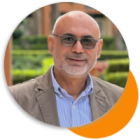
Dr. Khaled Aly Nour graduated from Cairo University in 1990 where he joined the staff of the Operative Dentistry department. He obtained his PhD in 1999 then moved to Ain-Shams University where he initiated a gradual transformation towards adhesive dentistry. In 2005, as an Associate Professor he started contributing to postgraduate programs and by 2011 the department banned the use of amalgams after adopting esthetic and digital solutions with emphasis on preventive, holistic and minimally invasive dentistry.
Dr. Nour lectured and conducted numerous workshops all over the country as well as in regional countries as Libya, Kuwait, Oman, Qatar and Iraq. He holds one patency and has joined research with Minnesota and Harvard Universities and most of his published work is on minimally invasive dentistry and color science. He is currently a professor and the director of a number of graduate and postgraduate courses in the Department of Operative Dentistry, Ain-Shams University.
Abstract:
In restorative dentistry, more is not always better, especially that it involves the sacrifice of healthy tooth tissues. However, less dentistry invites the risk of failure and may cause the sacrifice of the tooth as whole. Therefore, wise judgement is required to determine precisely where does enough dentistry lies.
On this lecture, a simple scoring system for the amount of functional loss will be proposed and linked with six levels of restorative interventions. Namely, stress dissipation cavity design, reliable bonding, glass fibres reinforcement, cusp capping, occlusal coverage and tooth crowning.
Introduction:
Three main factors determine the bio-mechanical stress response of the restorative system. The first is the magnitude, direction and type of load with special emphasis on cyclic lateral loading. The second is the cuspal strength measured by the ratio between the resistance arm represented by the base of the cusp and the force arm represented by the cavity depth. Lastly is the amount of structural discontinuity in the circumferential bio-rim encircling the occlusal table expressed by the number of auxiliary cavities emerging from the main preparation.
The possible reinforcing mechanisms include cavity design features that favor wide distribution of stress, thus avoiding the creation of stress razors and consequently surpassing the fracture resistance of the restorative system. Secondly, the utilization of bonding as a means of stress transfers from the weaker to the stronger parts of the restorative system. Thirdly, is by the use of high elastic modulus glass fibres as an intervening structure at the areas of discontinuities to provide the required support against cuspal bending and at the same time to decrease the net shrinkage stress thus lower the pre-stress condition on the adhesive bond. Fourthly, is the reduction of the cuspal height by tipping thus lowering the force arm with subsequent reduction of the bending moment on the cusp. Fifthly, it is by total occlusal coverage which re-direct the wedging force to compressive one that falls within the bio-mechanical tolerance of the loaded structures. Lastly, encircling the axial walls of the tooth to bind the various components of the restorative system and to counteract the hoop forces that emerge with severe mutilation. Encircling must not exceed the height of contour to allow for better resistance to the transferred stresses at the tension ring.
Treatment optimization requires a wise selection for the reinforcement techniques that correspond with the amount of damage fallen upon the restorative system.
Learning Objectives:
- To be able to estimate the fracture-risk status for a prepared tooth.
- To know the possible reinforcement technique for any restorative system.
- To be able to select the reinforcement technique that fit best for each cavity.
Who should attend:
- GP Dentists with special interests in the topic
- Specialists Dentists with special interests in the topic
- Dental Students
- Residents/Intern
Course Outline:
11:30 – 12:30 Lecture:Cavity design, bonding and glass ionomer cement
12:30 – 13:30 Lecture: Glass fibre reinforcement, cusp tipping, occlusal veneering and total coverage
About the Speaker:
Dr. Khaled Aly Nour graduated from Cairo University in 1990 where he joined the staff of the Operative Dentistry department. He obtained his PhD in 1999 then moved to Ain-Shams University where he initiated a gradual transformation towards adhesive dentistry. In 2005, as an Associate Professor he started contributing to postgraduate programs and by 2011 the department banned the use of amalgams after adopting esthetic and digital solutions with emphasis on preventive, holistic and minimally invasive dentistry.
Dr. Nour lectured and conducted numerous workshops all over the country as well as in regional countries as Libya, Kuwait, Oman, Qatar and Iraq. He holds one patency and has joined research with Minnesota and Harvard Universities and most of his published work is on minimally invasive dentistry and color science. He is currently a professor and the director of a number of graduate and postgraduate courses in the Department of Operative Dentistry, Ain-Shams University.
Made Possible by:


Read More...
To reserve your seat please contact Registration team at registration@aeedc.com
Abstract:
This 3-hour round table discussion offers a unique and interactive learning experience designed for oral healthcare professionals eager to hone their diagnostic skills. Attendees will be divided into three groups, each guided by an expert facilitator, to engage in solving challenging clinical cases, simulating real-world oral medicine mysteries.
Introduction:
Participants will have the opportunity to collaborate, share insights, and apply critical thinking to diagnose complex scenarios. Through dynamic group interactions and expert guidance, attendees will deepen their understanding of diagnostic processes, improve problem-solving skills via proposing management modalities.
Learning Objectives:
- Analyze clinical data through the discussion of complex clinical cases.
- Formulate differential diagnosis based on the analyzed data.
- Discuss the further diagnostic investigations leading to the final diagnosis.
- Incorporate evidence-based practices to formulate clinical decisions.
- Discuss appropriate management modalities.
Who should attend:
- GP Dentists with special interests in the topic
- Specialists Dentists with special interests in the topic
- Dental Hygienists
- Dental Students
- Residents/Interns
Course Outline:
- Introduction (30 minutes)
- Welcome and Overview
- Brief introduction of the expert facilitators.
- Introduction to the workshop format and objectives.
- Icebreaker activity
- Round Table Discussion (120 minutes) – Group A, B, C, will rotate through 3 tables, each group will send 30 minutes at each table
- Each group will be presented with a detailed clinical case(s), including patient history, symptoms, and initial test results.
- Facilitated by the experts, participants will discuss the case(s), ask questions, & work together to develop a differential diagnosis.
- Facilitators will guide the discussion, provide insights and prompt critical thinking to arrive at the final diagnosis.
- Each group will formulate clinical decisions regarding appropriate management modalities & present their rationale.
Wrap-up, Reflection, and Socialization (30 minutes)
About the Speakers:
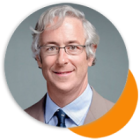
Prof. Alexander Ross Kerr is a Clinical Professor in the Department of Oral and Maxillofacial Pathology, Radiology and Medicine at NYU College of Dentistry and in the Department of Otolaryngology at NYU Langone Health Center. Dr. Kerr is a recipient of NYU’s distinguished teaching award. He is a past president of the American Academy of Oral Medicine, director of the American Board of Oral Medicine, steering committee member of the World Workshop on Oral Medicine, member of the executive committee of the European Association of Oral Medicine, and member of the Scientific Advisory Board for the Oral Cancer Foundation
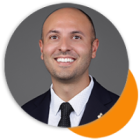
Dr. Alessandro Villa, DDS, PhD, MPH is a highly accomplished oral medicine specialist, researcher, and educator. He is currently the Chief of Oral Medicine, Oral Oncology, and Dentistry at Miami Cancer Institute, and a Professor at the Herbert Wertheim College of Medicine, Florida International University. Dr. Villa specializes in oral mucosal and salivary gland diseases, oral precancers, and oral complications from cancer treatment. He is also fluent in English and Italian.
Dr. Arwa Farag an Associate Professor at the Division of Oral Medicine, Department of Oral Diagnostic Sciences at King AbdulAziz University, and a Visiting Associate Professor at Tufts University School of Dental Medicine (TUSDM). Dr. Farag currently the Treasurer of the American Academy of Oral Medicine, a Steering Committee member of the World Workshop on Oral Medicine, a Member of the Scientific Council of the Saudi Board of Oral Medicine and Pathology, and an attending in the Oral Medicine section of the Oral Medicine and Pathology Post-graduate Residency Training Program.
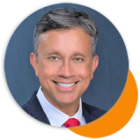
Prof. Andres Pinto, DMD, MPH, FDSRCSEd, is Chairman and Professor in the Department of Oral and Maxillofacial Medicine and Diagnostic Sciences at Case Western Reserve, School of Dental Medicine. He has authored of over 70 peer-reviewed papers and abstracts, is a contributing author for three standard textbooks in the field of Oral Medicine, co-editor of one book on Risk Assessment for Dentistry, a reviewer for 12 scientific journals and an editorial board member of the Quad O Journal. He is a past president of the American academy of Oral Medicine. Select honors include the American Dental Association’s Institute for Leadership in 2004, the 2005 ADEA’s Faculty Award and the Provost’s Faculty Award (University of Pennsylvania). Dr. Pinto is a diplomate of the American Board of Oral Medicine and holds a FDS from the Royal College of Surgeons (Edinburgh).
Made Possible by:

Read More...
To reserve your seat please contact Registration team at registration@aeedc.com
Abstract:
This course will provide a comprehensive overview of advanced direct composite techniques for predictable and aesthetic diastema closure. Emphasis will be placed on case selection, material choice, and the importance of achieving harmony with natural tooth anatomy. Participants will be guided through adhesive protocols, layering strategies, and the creation of proper emergence profiles to ensure functional and aesthetic integration. The course will also highlight common challenges, clinical tips, and finishing and polishing methods to achieve long-lasting, natural-looking results. By combining evidence-based knowledge with practical demonstration, this program aims to equip clinicians with the skills needed to deliver seamless smiles for their patients.
Introduction:
Diastema closure with direct composite has become a cornerstone in contemporary restorative dentistry due to its minimally invasive nature, aesthetic versatility, and immediate results. While diastemas are often perceived as a simple restorative challenge, achieving predictable and harmonious outcomes requires a comprehensive understanding of tooth morphology, shade dynamics, and proper adhesive protocols. The integration of advanced composite techniques allows clinicians not only to close interdental spaces but also to enhance the overall smile design while preserving sound tooth structure.
This course will highlight the biological, functional, and aesthetic considerations essential for successful diastema management. Special emphasis will be given to the importance of case selection, emergence profile design, and incremental layering techniques to ensure natural light reflection and long-term stability. Participants will also gain insights into common pitfalls, such as improper contact area creation or over-contouring, and learn evidence-based solutions to overcome them. By combining theoretical knowledge with clinical demonstration, this program provides dentists with the tools to transform challenging diastema cases into predictable, highly aesthetic outcomes that meet both functional and patient-centered expectations.
Learning Objectives:
- Evaluate clinical cases to determine the indications and limitations of diastema closure with direct composites.
- Plan diastema closure by assessing tooth proportions, midline, and smile harmony.
- Execute adhesive and composite layering protocols to achieve seamless aesthetic results.
- Establish proper contact areas and emergence profiles to enhance functions and long-term stability.
- Refine composite restorations through finishing and polishing to replicate natural surface texture and luster.
Who should attend:
- GP Dentists with special interests in the topic
- Specialists Dentists with special interests in the topic
- Residents/Intern
Course Outline:
09:00 – 10:00 Lecture:Case selection, materials and instruments to be used for composite restoration in Midline diastema closure
10:00 – 10:30 Lecture: Layering techniques for composite restorations
10:30 – 11:00 Lecture: Step-by-step live demonstration for procedure on layering techniques in composite restorations
Demonstration
- Demonstration and Workshop: The workshop will demonstrate a step-by-step approach for direct composite diastema closure, focusing on predictable, aesthetic, and minimally invasive techniques. The session begins with case assessment and isolation, including evaluation of midline, tooth proportions, and rubber dam placement for moisture control. Next, emphasis will be given to shade selection and material choice, using composite shade guides and considering translucency to achieve harmony with adjacent teeth.
- Procedure and Demonstration Steps:
- Case assessment, midline evaluation
- Shade selection and composite material choice
- Adhesive protocol: etching, bonding
- Incremental composite build-up for diastema closure and emergence profile.
- Finishing and polishing to achieve natural anatomy and surface luster
The adhesive protocol will be illustrated through enamel etching, bonding, and controlled curing, ensuring optimal adhesion. The main part of the demonstration will highlight incremental composite build-up techniques, starting with palatal/mesial wall creation, followed by gradual addition of composite to close the diastema while preserving proper emergence profile and contact area. Anatomical contouring will be refined to achieve symmetry and natural tooth morphology.
Finally, the session will cover finishing and polishing procedures, using burs, discs, and polishing systems to recreate texture, surface gloss, and natural luster. Each step will be explained in detail to equip participants with the knowledge and confidence to perform diastema closure in daily practice.
About the Speaker:
Dr. Yasser Alkayssi is a cosmetic dentist running a private practice in Baghdad, Iraq. He has experienced microscopic dentistry since 2017 in which he dealt with microscopes since 2017 and all the patients he treated were under the microscope, he has gained high skills and experience in using it. He is also an expert trainer specializing in anterior direct restorations and has given many courses about direct restorations in esthetic dentistry, in local and international conferences.
Made Possible by:


Read More...
To reserve your seat please contact Registration team at registration@aeedc.com
Abstract:
Dental bleaching is among the most conservative and transformative procedures in Esthetic Dentistry. Beyond cosmetic appeal, it often serves as a catalyst for enhancing smiles and engaging patients in broader care. This lecture will present contemporary bleaching techniques, evidence-based protocols, and their integration into interdisciplinary treatment planning. Topics include indications, agent selection, sensitivity management, and step-by-step case sequencing. Emphasizing clinical predictability and patient satisfaction, participants will explore how whitening can function not only as a standalone procedure but also as a gateway to comprehensive, life-changing dental care.
Introduction:
Dental bleaching is one of the most in-demand procedures in modern Dentistry, offering noticeable esthetic improvement with minimal invasiveness. Beyond enhancing appearance, bleaching often marks the beginning of a patient’s commitment to oral health and esthetic care. A brighter smile can elevate self-esteem, improve social confidence, and strengthen the patient–clinician relationship, making whitening a gateway to more comprehensive treatment.
Recent scientific advances have produced safer, more effective bleaching agents and techniques, with greater stability and reduced sensitivity. A thorough understanding of bleaching mechanisms, their impact on dental structures, and their interactions with restorative materials is essential for achieving predictable and long-lasting outcomes. Equally important is the clinician’s ability to personalize treatment, manage expectations, and integrate whitening into an esthetic plan rooted in biological respect.
This lecture combines evidence-based information, supported by scientific research, and clinical expertise to reposition bleaching as a therapeutic and emotional tool - not just a cosmetic procedure. By refining bleaching protocols and broadening its applications, dental professionals can unlock powerful transformations that go beyond esthetics, improving oral health and quality of life - one confident smile at a time.
Learning Objectives:
- Identify different types of dental bleaching techniques (in-office, at-home, combined) and differentiate their indications and contraindications in clinical practice.
- Compare the efficacy, longevity, and safety of various bleaching agents and analyze their impact on enamel and dentin.
- Perform in-office bleaching protocols, including patient isolation, product application, and post-treatment procedures.
- Assess bleaching-related sensitivity and implement evidence-based strategies for its prevention and management.
- Develop integrated treatment plans combining bleaching and esthetic restorative procedures, aligned with patient goals and biological considerations.
Who should attend:
- GP Dentists with special interests in the topic
- Specialists Dentists with special interests in the topic
- Dental Assistants
- Dental Students
Course Outline:
11:30 – 11:40
Lecture:A brief historical overview of humanity’s quest for dental esthetics and the role of dental bleaching in modern Esthetic Dentistry. Beyond cosmetics: bleaching as a gateway to oral health and patient engagement
11:40 – 12:00
- Lecture: Biological and Chemical Foundations
- Mechanism of action of hydrogen peroxide
- Interaction of bleaching agents with dental tissues and restorative materials
- Safety considerations and biological respect
12:00 – 12:25
- Lecture: Contemporary Techniques and Materials
- Chairside vs. at-home bleaching: advantages and limitations
- Advances in bleaching agents and delivery systems
- Stability and longevity of results
12:25 – 12:50
- Lecture: Clinical Protocols and Evidence-Based Practice
- Indications and contraindications
- Agent selection and concentration
- Step-by-step clinical sequencing
- Integration into interdisciplinary treatment planning
12:50 – 13:10
- Lecture:Managing Patient Experience
- Sensitivity: mechanism and strategies for prevention/management
- Setting realistic expectations and communicating outcomes
- The emotional and psychological impact of brighter smile
13:10 – 13:25
- Lecture:Case Discussions and Applications
- Illustrative clinical cases
- Common challenges and practical solutions
- Q & A with participants
13:25 – 13:30
- Lecture: Conclusion and Take-Home Messages
- Key lessons for clinical predicatability and patient satisfaction
- Whitening as both a therapeutic and emotional tool
- Final reflections: bleaching as a catalyst for life-changing dental care
About the Speaker:
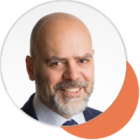
Prof. Erhardt is a Tenured Associate Professor at the Federal University of Rio Grande do Sul (UFRGS), where she teaches and conducts research in Restorative Dentistry and Dental Anatomy. She holds a DDS, MSc, and PhD in Operative Dentistry from UNICAMP, and completed her postdoctoral training at the University of Granada, Spain. She has taught at the University of Murcia and maintained a private practice during her time in Europe. Her area of expertise includes dental aesthetics, tooth bleaching, and the long-term performance of dentin/resin interface. At UFRGS, she coordinates the Dental Bleaching Extension Program and regularly gives lectures across Brazil and abroad in the field of Esthetic and Restorative Dentistry.
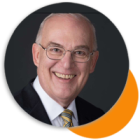
Prof. Feldens is a Tenured Associate Professor at the Federal University of Rio Grande do Sul (UFRGS), where she teaches and conducts research in Restorative Dentistry and Dental Anatomy. She holds a DDS from the Pontifical Catholic University (RS), and a MSc and PhD in Operative Dentistry from the University of São Paulo. She completed a doctoral internship at the University of California (UCSF). Her expertise includes dental bleaching, direct restorative materials, and dental morphology. Prof. Feldens coordinates the Dental Bleaching Extension Program and lectures nationally and internationally. She also leads the Professora Dentista project, creating educational videos on YouTube and sharing learning tips on Instagram.
Made Possible by:
Read More...
To reserve your seat please contact Registration team at registration@aeedc.com
Abstract:
This comprehensive program is designed for dental professionals seeking to bridge the gap between clinical expertise and effective practice leadership. Through interactive sessions, participants will discover how to leverage their clinical knowledge while developing crucial leadership competencies for contemporary practice management. The program covers essential aspects of team development, practice culture, and strategic decision-making within the dental office setting. Through hands-on activities, case studies, and role-play scenarios, participants will gain practical tools to transform their technical proficiency into organizational success. By program completion, dentists will be equipped with strategies to build and lead high-performance teams while maintaining clinical excellence
Introduction:
"Leading the Modern Dental Practice: From Clinical Excellence to Team Success" represents a steppingstone for dental professionals who already excel clinically but seek to enhance their leadership impact. Today's dental practices require leaders who can seamlessly integrate technical expertise with effective team management and strategic vision. This program acknowledges that while clinical excellence forms the foundation of dental practice, sustained success demands broader leadership capabilities.
Participants will explore the dual role of the dentist as both a clinical practitioner and practice leader. Through interactive discussions and practical exercises, the program addresses the unique challenges of transitioning from purely clinical thinking to comprehensive practice leadership. Participants will learn to balance patient care excellence with team development, discovering how to create systems that support both clinical and organizational success.
The program specifically focuses on helping dentists:
- Transform technical authority into leadership influence
- Develop communication strategies that bridge clinical and administrative teams
- Create systems that maintain clinical standards while fostering team growth
- Build a practice culture that embraces both excellence and innovation
By participating in this program, dental professionals will gain the tools needed to lead modern practices that thrive on both clinical expertise and effective team dynamics. This investment in leadership development will not only enhance practice operations but also contribute to greater professional fulfillment and sustainable practice growth.
Learning Objectives:
Upon Completion of this program, participants will be able to:
- Integrate leadership principles with clinical expertise to develop a comprehensive management approach that enhances both patient care and team performance in the dental practice setting.
- Design and implement effective communication strategies that bridge the gap between clinical and administrative teams while promoting transparent dialogue and collaborative problem-solving.
- Apply strategic decision-making frameworks to balance clinical excellence with practice growth, ensuring sustainable development while maintaining high standards of patient care.
- Create and sustain a practice culture that motivates team members, encourages professional development, and aligns individual goals with practice success metrics.
- Develop system of conflict resolution and team accountability that maintain positive working relationships while upholding clinical standards and practice protocols.
Who should attend:
- GP Dentists with special interests in the topic
- Specialists Dentists with special interests in the topic
About the Speaker:
Prof. Richard W. Valachoviccurrently serves as Clinical Professor and Director of the Center for Oral Health Policy and Management at New York University in Manhattan. He joined the faculty at NYU after serving or 22 years as the President and CEO of the American Dental Education Association (ADEA) and concurrently as the President of the International Federation of Dental Educators and Associations (IFDEA). Prior to joining ADEA he was a full-time faculty member at Harvard University, He received the DMD degree from the University of Connecticut and completed postdoctoral training programs in pediatric dentistry at the Children's Hospital Medical Center in Boston and dental public health at Harvard University. He is a Diplomate of the American Board of Oral and Maxillofacial Radiology. He is an author of more than 100 articles, manuscripts and book chapters.
Made Possible by:

Read More...
To reserve your seat please contact Registration team at registration@aeedc.com
Abstract:
For decades, dental investigations, human identification, and age estimation have depended on manual charting, routine workflows, and subjective interpretation—often resulting in delays, inconsistencies, and challenges in standardization. Through extensive research and development, a digitally transformed ecosystem has been developed to overcome these limitations with a unified, structured framework built on accuracy, standardization, and collaboration. By integrating automated dental identification, validated age-estimation models, and advanced radiographic analysis, this system provides rapid, objective, and reproducible assessments. It modernizes both forensic and clinical dentistry, enabling faster response, higher reliability, and enhances examiner confidence across routine practice and high-demand forensic scenarios.
Introduction:
For decades, dental investigations, human identification, and age estimation have depended on manual charting, routine workflows, and subjective interpretation—often resulting in delays, inconsistencies, and challenges in standardization. Through extensive research and development, a digitally transformed ecosystem has been developed to overcome these limitations with a unified, structured framework built on accuracy, standardization, and collaboration. By integrating automated dental identification, validated age-estimation models, and advanced radiographic analysis, this system provides rapid, objective, and reproducible assessments. It modernizes both forensic and clinical dentistry, enabling faster response, higher reliability, and enhances examiner confidence across routine practice and high-demand forensic scenarios.
Learning Objectives:
- Identify the limitations associated with traditional manual workflows in dental investigations, human identification, and age estimation.
- Describe the research and development framework that supported the creation of a unified digital ecosystem for forensic and clinical dentistry.
- Explain the core digital modulesenabling automated dental identification, standardized age estimation, radiographic analysis, and AI-assisted decision support.
- Recognize the impact of digital transformation on accuracy, reproducibility, standardization, and examiner reliability in routine and forensic dental practice.
Who should attend:
- GP Dentist with special interest in the topic
- Specialist Dentist with special interest in the topic
- Dental Hygienists
- Dental Technicians
- Dental Assistants
- Dental Students
- Residents/Intern
Course Outline:
13:00 – 13:30 Lecture:From Manual Workflows to Digital Innovation in Forensic Dentistry
. Limitations of traditional manual approaches in dental investigations, identification, and age estimation.
. Evolution of research and development: concept formation, validation phases, and transition into a unified digital framework.
13:30 – 14:00 Lecture: Inside the Unified Digital Ecosystem for Forensic Dentistry
. Overview of the digital architecture, integrated modules, and streamlined workflows
. How automation improves processing speed, reproducibility, and inter-examiner consistency
14:00 – 14:30 Lecture: Applications, Impact, and Future Directions
. Practical forensic and clinical applications scenarios
. Emerging advances in AI, predictive modelling, and automated reporting within modern digital systems
About the Speaker:
Dr. Salem Altalie is a Consultant Forensic Odontologist with over 18 years of experience in forensic laboratory practice. He is a Fellow of the Australasian College of Legal Medicine and the American Academy of Forensic Sciences, and he represents the UAE at the International Organization for Forensic Odonto-Stomatology. Dr. Altalie holds a U.S. patent, serves as an adjunct professor and an editorial board member, with over 20 scientific papers published in international peer-reviewed journals. He played a pivotal role in developing the first digital Dental Identification platform specialized in human identification and age estimation. His outstanding contributions to forensic science were recognized with the Excellence Award – Executive Council Medal, presented by His Highness Sheikh Mohammed bin Zayed Al Nahyan in 2018.
Made Possible by:


Read More...
To reserve your seat please contact Registration team at registration@aeedc.com
Abstract:
Tooth whitening is not only a popular esthetic procedure but also a valuable tool in restorative dentistry. With countless products promising fast results, outcomes can vary widely. Understanding the causes of discoloration and choosing the right technique is key to success. This presentation offers a clear, practical approach to whitening, helping dentists navigate materials and methods, minimize sensitivity, and ensure effective treatment for every patient—whether experienced or new to the field.
Introduction:
Tooth whitening is one of the most sought-after esthetic procedures in dentistry and a valuable tool in restorative treatments. With an overwhelming variety of products and techniques available, clinicians often face uncertainty in selecting safe and effective protocols. This session offers a comprehensive and evidence-based approach to tooth whitening, addressing the biological foundations of discoloration, peroxide action, and cell metabolism—key elements for predictable outcomes.
Participants will explore how to tailor whitening treatments to individual cases, manage sensitivity, and integrate bleaching into complex rehabilitations. Topics include the role of color in esthetic planning, the mechanisms behind sensitivity, and the pros and cons of popular whitening systems. Practical guidance will be provided on patient preparation, protocol adaptation, and answering common patient concerns such as treatment duration, rebleaching, and effects on restorations.
By the end of the session, attendees will be equipped to deliver safe, effective, and patient-centered whitening treatments, enhancing both clinical results and satisfaction.
Learning Objectives:
They should be specific and measurable
- Understand the fundamentals for a good diagnostic.
- Different causes for discoloration, different treatments.
- How to differentiate limitations and saturation point: bleaching all that is possible.
- Non-vital bleaching: do’s and don’ts. Key aspects for a safe procedure.
- Micro abrasion: simple technique, when it’s done properly.
Who should attend:
- GP Dentists with special interests in the topic
- Specialists Dentists with special interests in the topic
- Dental Hygienists
- Dental Students
- Residents/Interns
Course Outline:
15:30 – 16:30Lecture: Fundamentals of Whitening
16:30 – 17:30Lecture: Diagnostic is Key: Stains, peroxides and cell metabolism
17:30 – 18:30Lecture: Case studies through clinical cases, Non-vital bleaching and micro abrasion
About the Speaker:
Dr. Rafael Beolchi majored in Dentistry from the University of São Paulo, Brazil, in the year 2000. He has maintained private practice since 2001, working mainly in aesthetic dentistry and oral rehabilitation. In 2009 he received his master’s degree in Biomaterials from the Institute of Energetic and Nuclear Research, from the same University. He teaches around the world, focusing on advanced handling of dental materials with an easy step-by-step approach that simplifies the procedure and has presented several lectures and workshops addressing those topics in North, Central & South America, Europe, Africa and Asia, in more than 60 countries. Dr. Beolchi is currently based in Portugal, where he finished his second master’s degree, in Dental Medicine, working as a dentist and as consultant for esthetic products and materials for the Dental industry, applying his clinical and scientific knowledge in the development of new and better dental products. He is the author of several articles in Portuguese, Spanish and English, about the topics of direct placed esthetic restorations and light curing, topics on which he still maintains his activity as a researcher until today. He is also the author of book chapters on the same fields and collaborates on studies with several other institutions around the world.
Made Possible by: